The second largest and third most populated island in the archipelago, Maui is famed for its golden beaches, stunning waterfalls and whale watching tours.
Taking its nickname from the central isthmus that connects its two dominant volcanic features (Haleakalā in the southeast and the West Maui Mountains in the northwest), Maui’s dramatic landscapes, romantic atmosphere and upscale resort hotels make it a popular destination for honeymooners and luxury travelers from the United States and beyond.
Lahaina
Once capital of the Hawaiian Kingdom and center of the global whaling trade, Lahaina is a historically significant settlement on Maui’s Northwest coast which encompasses the town of Lahaina itself along with the neighboring beach resorts of Kāʻanapali and Kapalua.
Prior to its devastation by wildfires in the summer of 2023, Lahaina was established as a popular vacation destination, renowned for its historical heritage, 150 year-old Banyan tree, abundance of independent shops, restaurants and galleries, and vibrant artistic community. And whilst much of the historic district was destroyed by the fires, at the time of writing visitors are being encouraged to support the remaining local businesses as the recovery effort continues.
Kāʻanapali
Untouched by the wildfires which damaged much of neighboring Lahaina, Kāʻanapali is a bustling resort town which - in the wake of the fires - has taken on the mantle of being West Maui’s tourism hub. Known for its beautiful three-mile stretch of golden sand, this lively town - formally a fishing village - boasts a diverse range of hotels and restaurants, plus a convenient location from which to explore everything this part of the island has to offer.
Learn to surf in the area’s comparatively calm waters, spot local sea life on a snorkeling or SCUBA trip, and don’t miss out on the nightly cliff-diving ceremony at Puʻu Kekaʻa (Black Rock) on the northern end of the beach. From sun worship to retail therapy, strolling the beach-walk at sunset to watching whales off shore in the winter season, casual poolside cocktails to upscale oceanfront dining, Kāʻanapali offers everything you’d expect from an established vacation resort, and then some!
Where To Eat
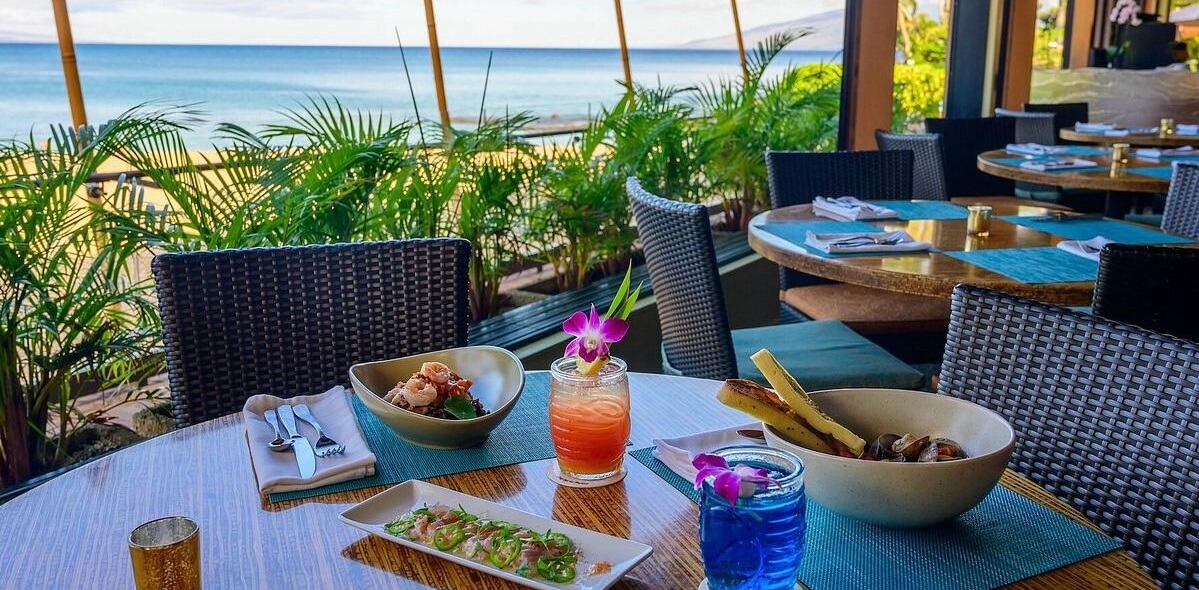
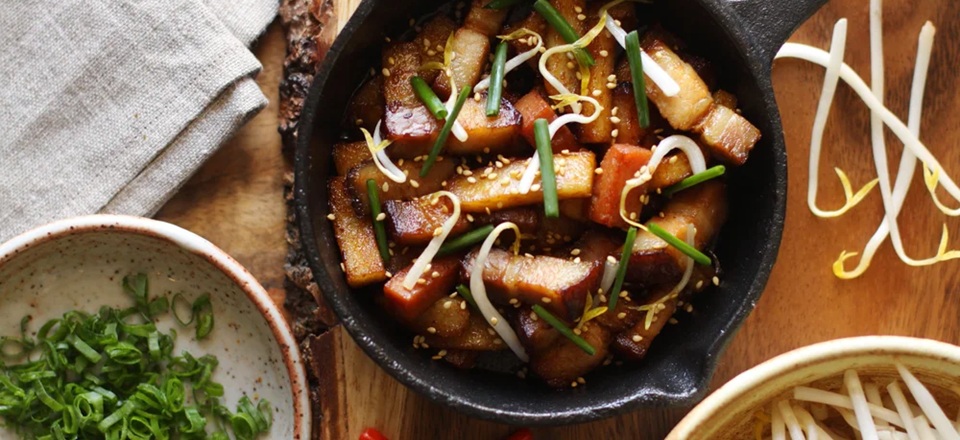
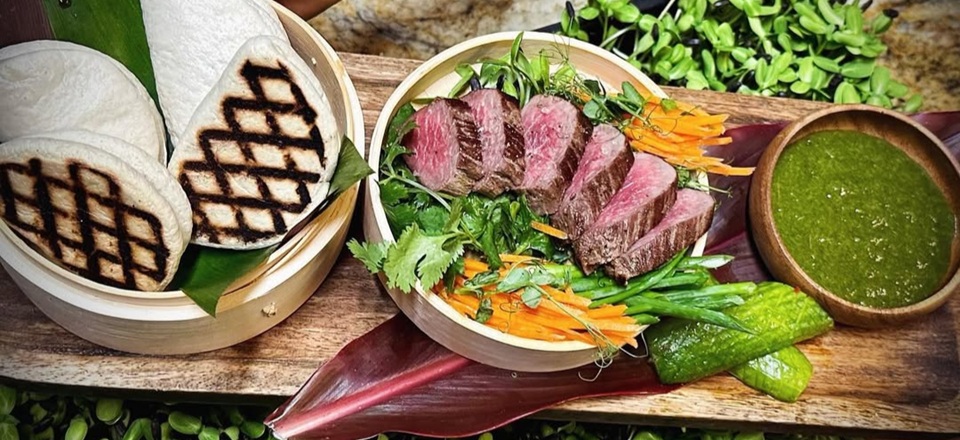
Bound by a common commitment to fresh, locally-sourced ingredients, Maui’s food scene offers a vibrant mix of styles and settings from high-end fine dining to casual roadside eats, and everything else in between! Whether you're looking for omakase cuisine in the lap of luxury, speciality seafood with a view, or a quick ono takeout on the way to the beach, the island’s abundant restaurants, cafes, food halls, and mobile units cater for every taste and budget. Use our restaurant filters to help you find your new favorite place to eat on Maui, or check out the popular options below...
Where To Sleep
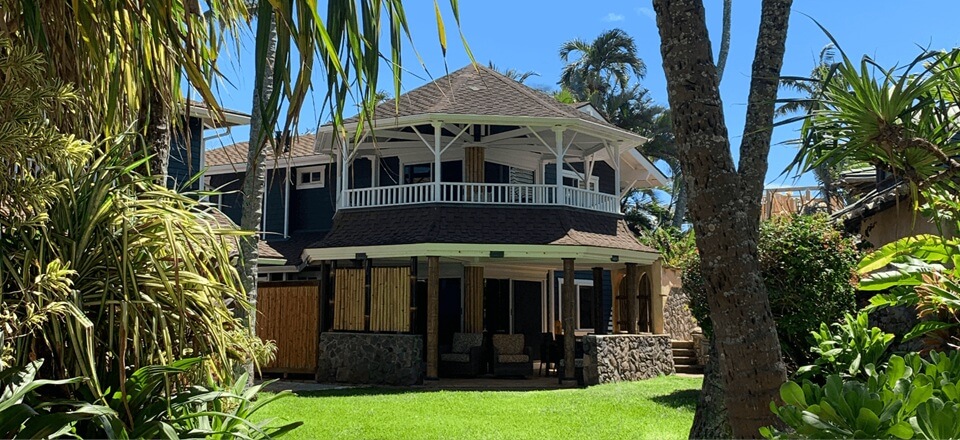
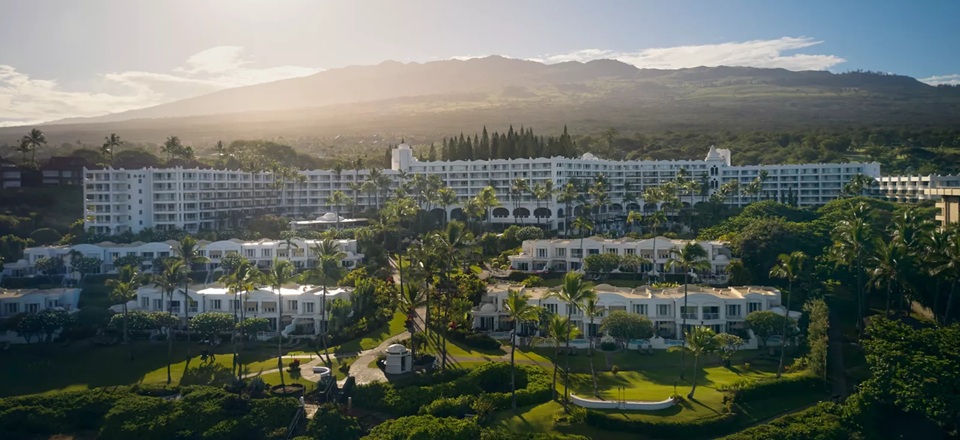
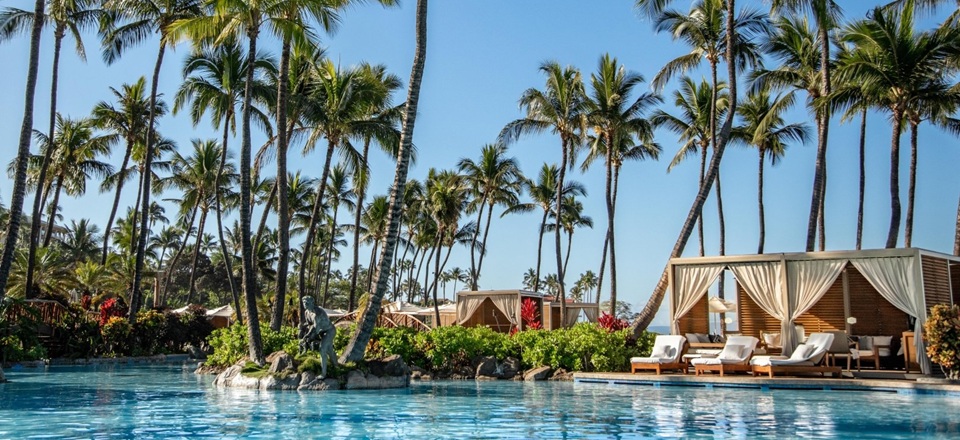
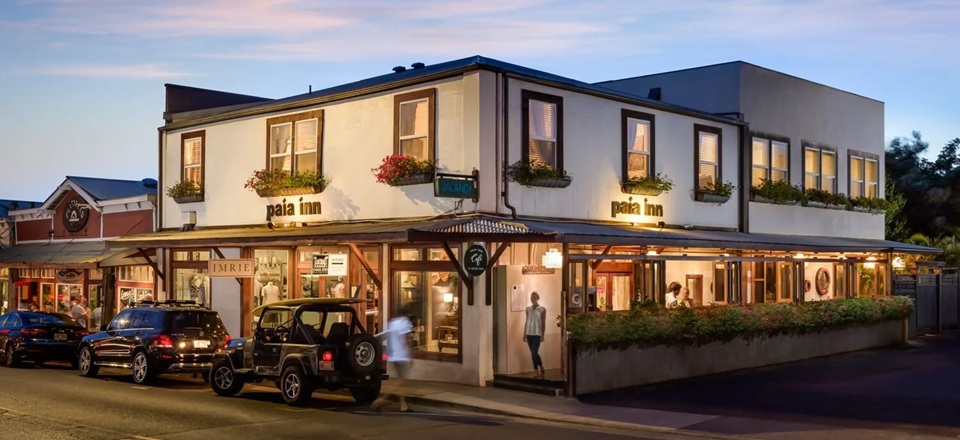
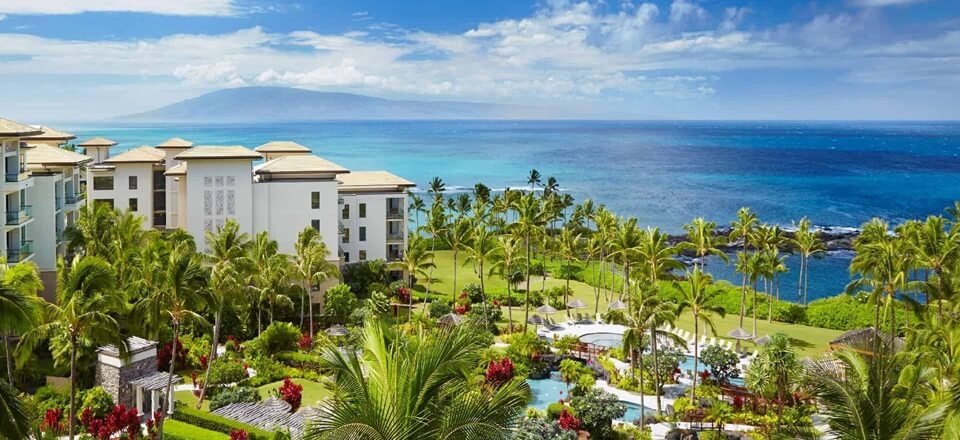
Accommodation on Maui is plentiful, diverse and almost universally of a high standard. From upscale oceanfront resorts to traditional Hawaiian inns, one-of-a-kind boutique hotels to condos, cottages and cabins, the state’s second largest island boasts a wide variety of sleeping options which, although still skewed towards the luxurious end of the market, includes an increasing number of budget-friendly possibilities. Use our innovative search tools to find your perfect Maui hotel match, or check out some of our favorites below...
How To Get Around
Just like the neighboring Big Island, the best way to get around Maui is by renting a car. Whilst some resort areas like Kāʻanapali have a local trolley service, and many of the big name hotels offer complimentary shuttles to and from the airport and nearby places of interest, the only way to experience the island’s diverse landscape and wealth of attractions with any level of flexibility is by having your own set of wheels. Many rental companies have offices at Kahului airport offering online reservations and 24/7 pickup, and a bunch of these also service the island’s second airport at Kapalua, making the rental process quick and simple whatever your point of arrival.
For non-drivers, the best alternative to car rental is Maui’s reliable bus system which operates various, but limited, routes mostly concentrated in the traditional tourist hubs along the island’s Western Coast. Services to other destinations are infrequent and travel times long, and some popular areas such as Hāna cannot be reached by the public bus system at all. Other viable options - particularly for shorter journeys - are ride share services such as Uber as well as local private hire taxis; organized tours can also be an excellent way to see sites otherwise inaccessible without a car.
Best Times To Visit
There is no wrong time to visit Maui. Year round sunshine, blue skies and daytime temperatures consistently above 75 degrees Fahrenheit means that, like all of the Hawaiian Islands, Maui is a popular destination whatever the season. That said, there are optimal times to visit depending on your vacation priorities. For example, if whale watching tops your to-do list, book your trip during the winter season (December - April) when thousands of humpback whales use the island’s warm waters as a breeding ground, but be aware that this, along with the mid-summer months of July and August, is the most expensive time to visit. Savvy travelers without a whale-watching agenda and content with temperatures a few degrees lower than peak summer season, often choose to visit Maui during the periods from late April to early June and late September to mid-November. These so-called shoulder seasons represent good value in terms of cost and experience with generally lower prices and fewer crowds.